
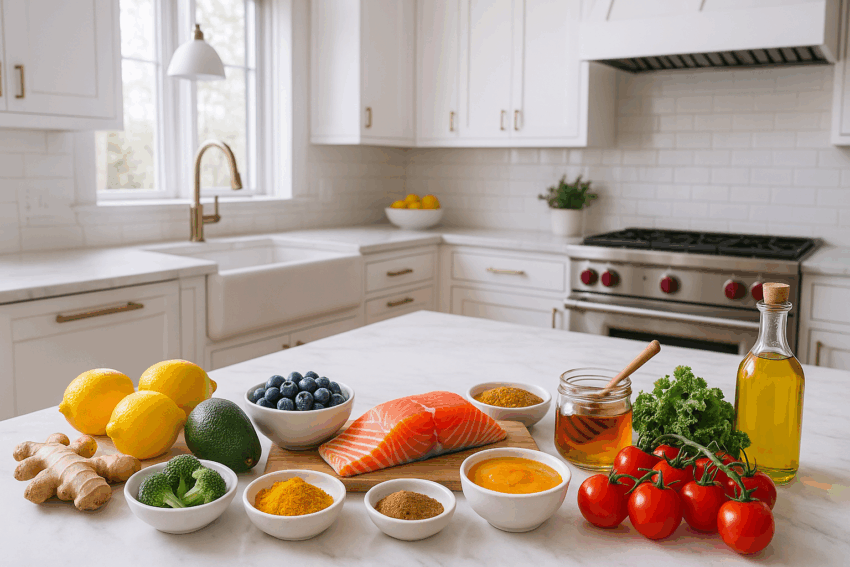
Chronic inflammation is more than just an occasional flare-up—it’s the silent trigger behind many of today’s most common health issues. From arthritis and autoimmune flare-ups to heart disease and brain fog, long-term inflammation quietly wears down your body over time. The good news? Food can fight back.
Every meal you eat sends a message to your body: either to inflame or to heal. By keeping these twelve anti-inflammatory foods in your kitchen, you can help calm your immune system, balance hormones, reduce joint pain, and support better energy—all naturally.
1. Salmon
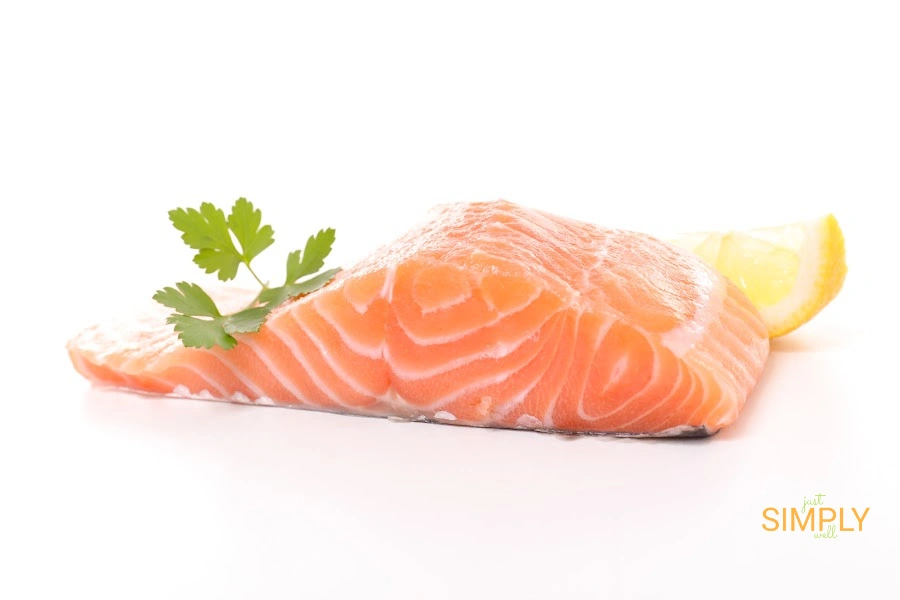
Wild-caught salmon is one of the richest natural sources of omega-3 fatty acids (EPA and DHA), which help reduce inflammation markers such as CRP (C-reactive protein). Regular intake supports heart, brain, and joint health.
Pro tip: Bake with lemon, rosemary, and olive oil twice a week for steady anti-inflammatory support. Always choose wild-caught over farm-raised for cleaner fats.
2. Blueberries
These tiny blue gems are loaded with anthocyanins—compounds proven to repair oxidative damage at the cellular level. They help protect against inflammation in the brain, arteries, and connective tissue.
Pro tip: Frozen blueberries are just as powerful as fresh. Add them to smoothies, yogurt, or oatmeal for an antioxidant boost.
Download the Complete Anti-Inflammatory Foods List (PDF)3. Broccoli
This cruciferous vegetable is a powerhouse of sulforaphane, a compound known to reduce cytokines and NF-kB, two major drivers of inflammation in the body.
Pro tip: Roast broccoli with extra-virgin olive oil or steam lightly for 5 minutes to preserve sulforaphane content.
4. Olive Oil
Extra-virgin olive oil contains oleocanthal, a compound that acts much like ibuprofen by blocking inflammatory pathways. It’s a cornerstone of the Mediterranean diet and helps protect the heart, brain, and blood vessels.
Pro tip: Use it raw for salad dressings, drizzled over vegetables, or even a teaspoon daily for overall inflammation control.
5. Garlic
Garlic is one of the oldest natural anti-inflammatories. Its active compound, allicin, helps lower blood pressure, modulate immune activity, and fight harmful bacteria that can trigger inflammation.
Pro tip: Crush fresh garlic and let it sit 10 minutes before cooking—this releases its potent healing compounds.
6. Tomatoes
Tomatoes are high in lycopene, an antioxidant that supports vascular and joint health. Cooking tomatoes actually increases lycopene absorption, especially when combined with olive oil.
Pro tip: Simmer tomato sauce with herbs and garlic for a double anti-inflammatory benefit.
7. Walnuts
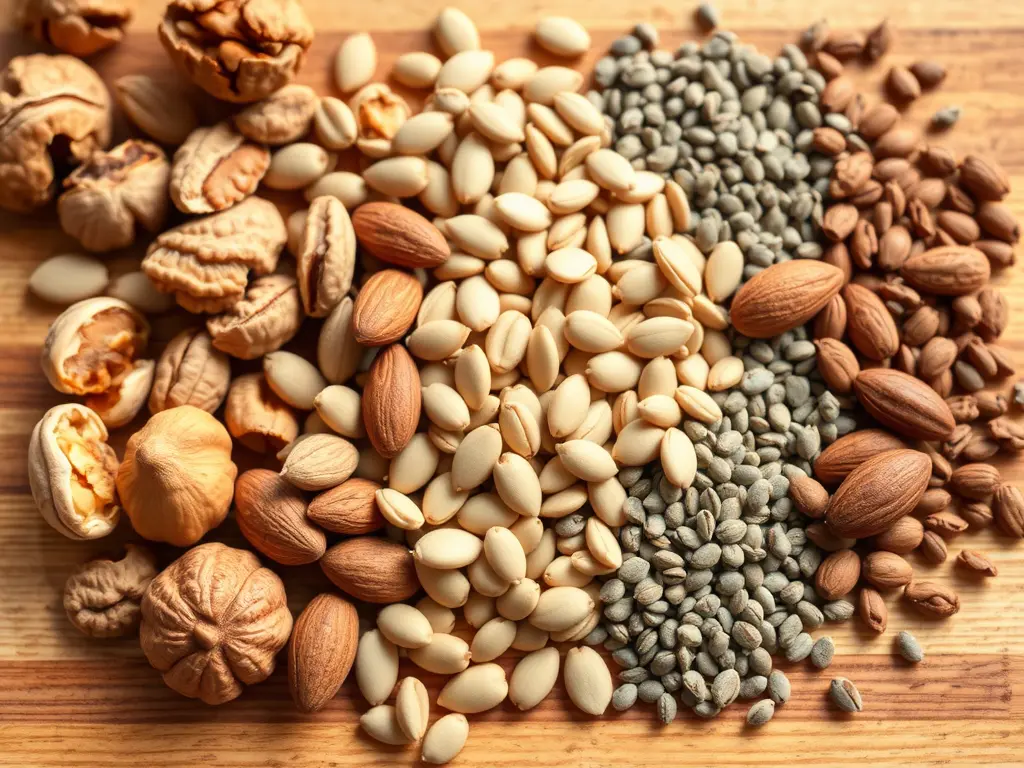
Walnuts contain alpha-linolenic acid (ALA), a plant-based omega-3 that supports brain and cardiovascular health. They also contain magnesium, which helps relax muscles and control inflammatory responses.
Pro tip: Eat a small handful daily or sprinkle chopped walnuts on salads, yogurt, or oatmeal.
8. Spinach
Spinach is rich in polyphenols, vitamins A, C, and K, and magnesium—all known to lower oxidative stress and support cellular repair. Regular intake helps balance hormones and strengthen immune defenses.
Pro tip: Toss fresh spinach into smoothies or omelets—its flavor disappears, but its benefits don’t.
Download the Complete Anti-Inflammatory Foods List (PDF)9. Dark Chocolate
High-cocoa dark chocolate (70% or higher) provides flavonoids that improve blood flow, reduce oxidative stress, and even boost serotonin—helping to lower inflammation triggered by chronic stress.
Pro tip: Enjoy one to two small squares after dinner to curb cravings while supporting heart and brain health.
10. Green Tea
Green tea is one of nature’s strongest natural anti-inflammatories thanks to catechins like EGCG. Studies show it helps balance blood sugar, protect arteries, and improve metabolism.
Pro tip: Try matcha for a concentrated form with up to three times the antioxidant content of brewed green tea.
11. Carrots
Carrots are packed with beta-carotene, a precursor to vitamin A that supports skin, immune, and eye health while calming inflammation. They’re particularly good for autoimmune and skin-related inflammatory issues.
Pro tip: Lightly steam carrots instead of boiling to preserve their anti-inflammatory nutrients.
12. Onions
Onions are one of the richest sources of quercetin—a flavonoid that naturally stabilizes mast cells, reduces allergic inflammation, and supports vascular integrity.
Pro tip: Red onions have the highest quercetin levels. Eat them raw in salads or lightly sautéed in olive oil.
FAQ: Anti-Inflammatory Foods
Q: Can supplements replace these foods?
A: Not completely. Whole foods provide fiber, enzymes, and plant compounds that supplements can’t replicate. However, high-quality omega-3s, turmeric, or resveratrol supplements can complement your diet when intake is low.
Q: How long does it take to see results?
A: Most people notice better energy, digestion, and reduced joint stiffness within 2–4 weeks. Deeper improvements in lab markers like CRP or A1C can take 8–12 weeks of consistent eating.
Q: What foods should I avoid if I’m trying to reduce inflammation?
A: Cut back on refined sugar, seed oils (like soybean, corn, and canola), fried foods, and processed meats. These trigger oxidative stress and spike inflammatory cytokines.
Q: Can anti-inflammatory foods help with weight loss?
A: Yes. Many of these foods—especially green tea, salmon, and leafy greens—support metabolic balance and appetite control by reducing insulin resistance and stabilizing blood sugar.
Q: Are there quick meal ideas using these foods?
A: Try a breakfast smoothie with spinach, blueberries, and walnuts. Lunch could be salmon over a spinach salad with olive oil dressing, and dinner might include tomato-garlic sautéed vegetables with a side of roasted carrots. Keep dark chocolate and green tea as your go-to evening treat.
Q: Do anti-inflammatory diets help autoimmune conditions?
A: Absolutely. Reducing systemic inflammation through diet can calm overactive immune responses and reduce symptom frequency. Many patients with Hashimoto’s, rheumatoid arthritis, or psoriasis notice significant improvement with consistent changes.








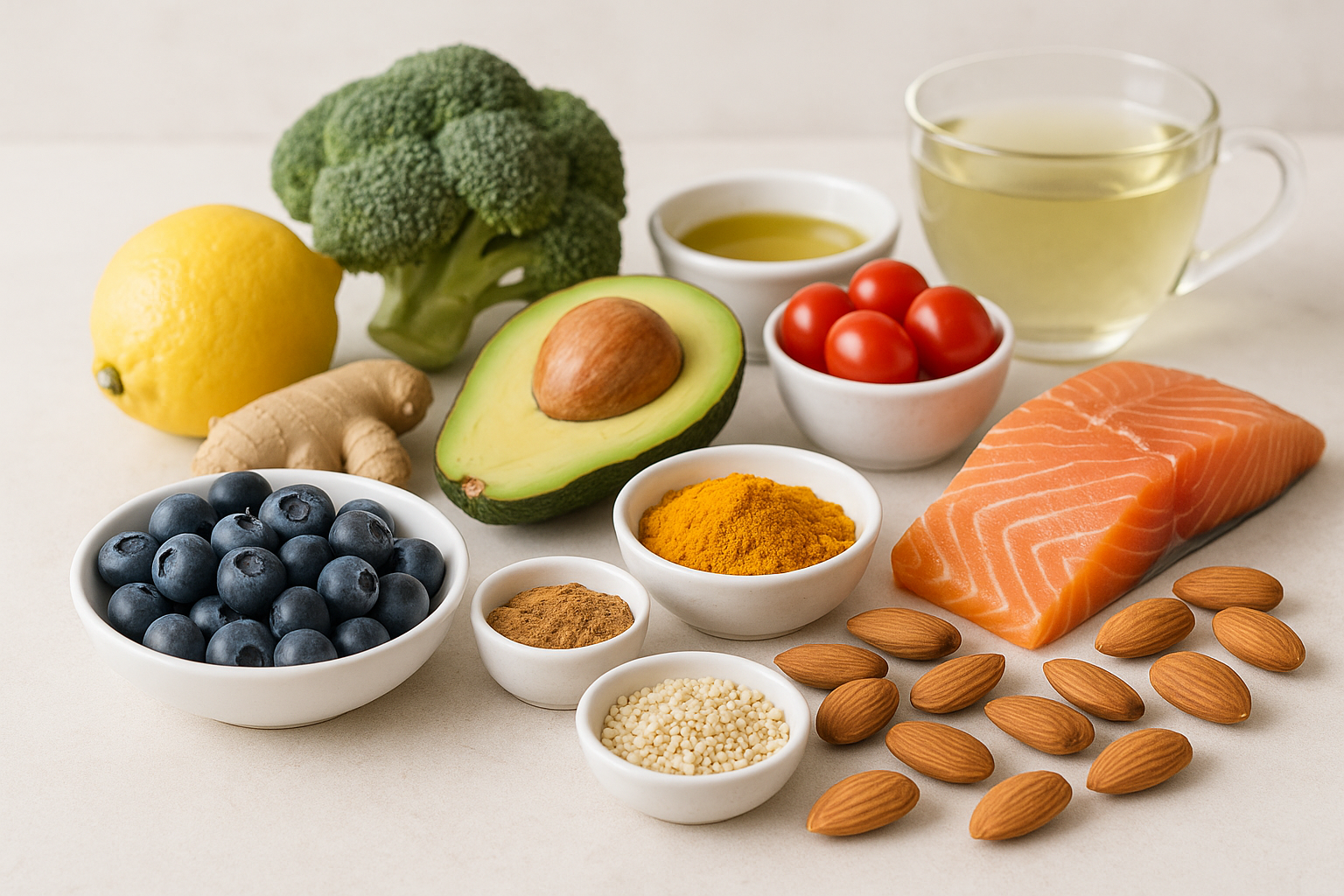







Complete Anti-Inflammatory Foods List | Free Download
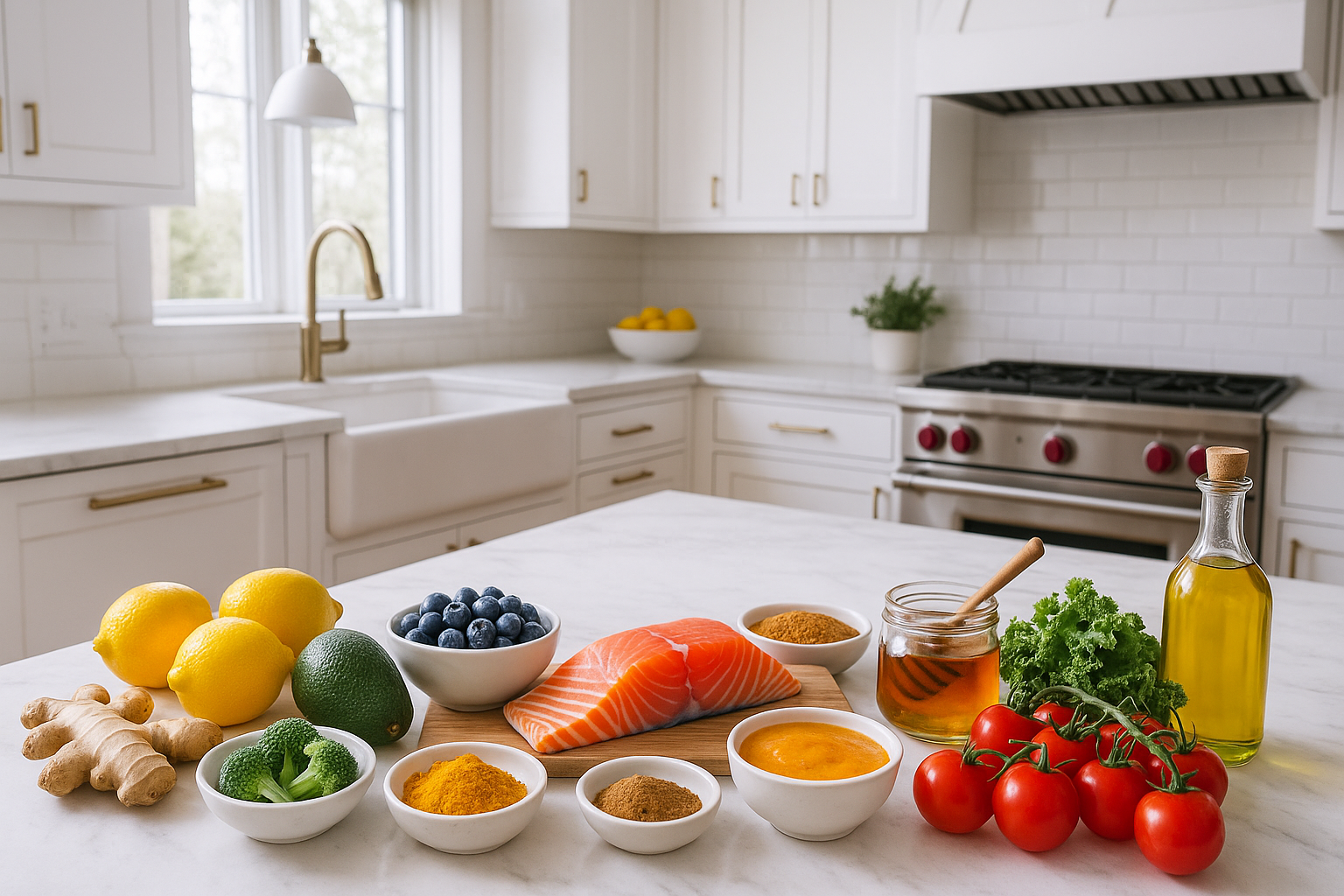
Keep this list handy when you shop! These foods help calm inflammation, support your immunesystem, and keep you feeling strong, energized, and balanced. Healthy Fats Fruits Vegetables Herbs & Spices Proteins Whole…