
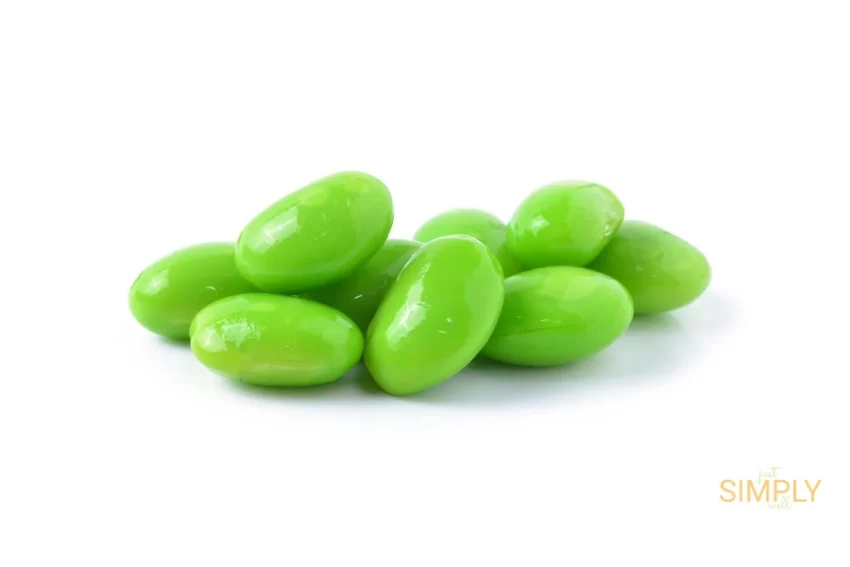
Soy lecithin is one of the most widely used emulsifiers and supplements, and many people use it for its potential benefits on cholesterol, liver health, and brain function. While many people know it as an emulsifier, soy lecithin offers far more than texture enhancement. Research shows that soy lecithin supports cellular health, may help balance cholesterol, and plays a role in brain function. At the same time, concerns about GMOs, hormonal effects, and extraction chemicals have raised questions about safety. This guide explains what soy lecithin is, how it works, and whether it may benefit or harm your health.
What Is Soy Lecithin?
Soy lecithin is a fatty compound rich in phospholipids, particularly phosphatidylcholine and phosphatidylserine. These phospholipids form the structure of cell membranes throughout the body, playing a role in communication, repair, and overall cellular function.
Originally identified in egg yolks by French chemist Theodore Gobley in 1846, lecithin has since been sourced from soybeans, sunflower seeds, milk, rapeseed, and other plants. Today, soy lecithin is one of the most widely used forms due to its abundance and versatility.
Where Soy Lecithin Comes From and How It’s Made
Soy lecithin is extracted during the processing of soybean oil. After crude soybean oil is produced, the lecithin is separated and purified into liquid or granulated forms. While soy is a common allergen, soy lecithin contains only trace soy proteins, making it generally tolerable for most individuals.
The manufacturing method matters. Some soy lecithin is produced using hexane, a solvent that can leave small chemical residues. Higher-quality options use enzymatic or cold-pressed extraction techniques to avoid chemical solvents.
Soy Lecithin Benefits for Cellular and Brain Health
Soy lecithin contains phosphatidylcholine and phosphatidylserine, two phospholipids essential for the integrity of cell membranes. Phosphatidylcholine supports liver function, fat metabolism, and nerve signaling, while phosphatidylserine influences memory, mood, and cognitive performance. Research into phospholipids and brain cell structure highlights their role in maintaining healthy neural function.
Studies have shown that phosphatidylcholine supports liver repair and metabolism, while phosphatidylserine helps regulate cortisol levels, learning, and mood stability.
How Soy Lecithin Helps Regulate Cholesterol Levels
One of the most documented benefits of soy lecithin is its potential ability to lower cholesterol. A study published in the journal Cholesterol found that adults taking 500 milligrams of soy lecithin daily experienced a significant reduction in LDL levels within 30 days. After two months, LDL decreased by up to 42 percent in some participants. This clinical evidence is detailed in a peer-reviewed study on lecithin and hypercholesterolemia.
More recent analyses, such as the 2024 review on lecithin and cardiovascular health, support its role in lipid metabolism. You can read the full overview here: Lecithin and cardiovascular health review (2024).
Immune System Benefits of Soy Lecithin
Animal research suggests soy lecithin may enhance immune activity. Studies show increased macrophage and lymphocyte function in soy-lecithin-supplemented groups, potentially improving immune response to pathogens. While human studies are limited, early evidence indicates a possible role in immune resilience.
Stress Reduction and Cognitive Support
Chronic stress elevates cortisol, a hormone associated with inflammation and anxiety. Phosphatidylserine derived from soy lecithin has been shown to help regulate the stress response. A controlled trial published in Stress found that phosphatidylserine combined with phosphatidic acid reduced cortisol spikes during stressful psychological testing.
Additional research into soy-derived phosphatidylserine and memory function in older adults supports its role in cognitive enhancement.
Soy Lecithin for Memory, Mood, and Aging Brain Function
A three-month clinical trial in older adults with mild cognitive impairment found that soy-derived phosphatidylserine improved memory retention, mood stability, and cognitive clarity. Research suggests that phospholipid supplementation may help slow age-related cognitive decline, especially in the early stages of neurological disorders.
Can Soy Lecithin Help With Menopause Symptoms?
In a 2018 randomized clinical trial, menopausal women taking 1,200 milligrams of soy lecithin daily experienced improvements in energy, vascular function, and overall quality of life. While more research is needed, these findings indicate that soy lecithin may support menopausal wellness.
Risks and Side Effects of Soy Lecithin
While soy lecithin has benefits, there are important risks to consider.
GMO Exposure: Much commercial soy is genetically modified. Choosing organic and non-GMO lecithin reduces exposure to pesticides and herbicides.
Phytoestrogen Concerns: Soy contains plant-based estrogens, which may affect individuals with hormone-sensitive conditions or thyroid disorders.
Allergies and Sensitivities: Although soy lecithin contains minimal soy protein, highly sensitive individuals may still react.
Solvent Residues: Hexane-extracted soy lecithin may contain trace chemical residues. Cold-pressed and organic products avoid this risk.
Digestive Symptoms: Overuse of soy lecithin may lead to nausea, diarrhea, or stomach cramps. Some researchers even caution against excessive choline intake—see the neurological research summary, Lecithin and Mental Health: Too Much of a Good Thing?.
For general consumer-friendly safety overviews, see: Healthline’s overview of soy lecithin and WebMD’s guide to lecithin benefits and risks.
How to Choose a Safe, High-Quality Soy Lecithin Supplement
- Choose USDA-certified organic products
- Look for Non-GMO certification
- Select cold-pressed or enzymatically extracted lecithin
- Buy from manufacturers with third-party purity testing
Final Thoughts: Is Soy Lecithin Safe and Worth Using?
Soy lecithin offers notable benefits for cholesterol balance, cellular health, cognitive support, stress reduction, and immune function. However, risks related to extraction methods, GMO exposure, and hormonal effects mean quality matters. Choosing organic, non-GMO, solvent-free lecithin provides the safest profile.
As with any supplement, individuals with chronic conditions or those taking medication should consult a qualified healthcare provider before use.