
Symptoms, Variants, Prevention, and What to Expect Next
Norovirus, often called the winter vomiting bug, surged across the United States through late 2025 and is expected to remain elevated into early and mid-2026. Surveillance trends suggest this is not a short-lived spike, but part of a broader seasonal and variant-driven cycle that may reshape how long norovirus activity lasts each year.
This guide explains what norovirus is, why it surged in 2025, and—most importantly—what experts expect as we move into 2026, including how to protect yourself as the season extends.
What Is Norovirus
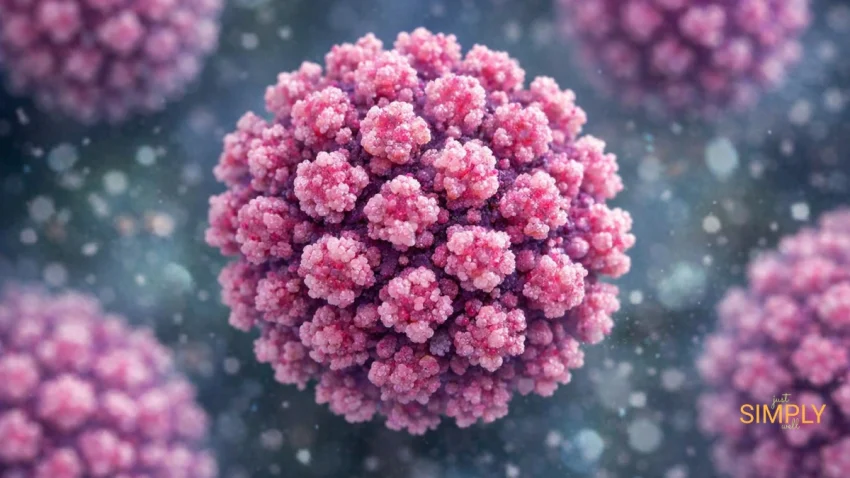
Norovirus is a highly contagious virus that infects the stomach and intestines, causing acute gastroenteritis. It is the leading cause of foodborne illness and one of the most common causes of vomiting and diarrhea outbreaks worldwide.
It takes as few as 1–10 virus particles to cause infection. Once introduced into a household, school, or shared space, it can spread rapidly.
Why Norovirus Surged in 2025
The late-2025 surge followed a pattern experts have been watching closely.
Key drivers included:
• Earlier-than-usual seasonal onset
• Increased indoor crowding and travel
• Reduced long-term immunity after prior infections
• Emergence of a newer dominant variant
• Improved detection through wastewater surveillance
Instead of peaking sharply and disappearing, norovirus activity remained elevated late into the year, setting the stage for continued spread in early 2026.
Norovirus Forecast: What to Expect in 2026
Based on current surveillance patterns and historical behavior of emerging variants, 2026 is likely to see:
A longer norovirus season
Norovirus activity may stretch from late fall through spring, with occasional outbreaks even outside traditional winter months.
Continued variant-driven spread
When new strains circulate, population immunity lags. This allows reinfections and rolling outbreaks into the following year.
More household and school clusters
Schools, daycares, gyms, athletic facilities, and long-term care settings are likely to remain hotspots.
Persistent prevention mistakes
Many people still rely on alcohol-based hand sanitizer, which does not reliably stop norovirus, allowing continued spread.
Bottom line: Norovirus is unlikely to disappear at the end of 2025. Expect periodic surges and local outbreaks throughout 2026.
Norovirus Symptoms and Timeline
Symptoms usually begin 12–48 hours after exposure and start abruptly.
Common symptoms
• Vomiting
• Watery diarrhea
• Nausea
• Abdominal cramping
Less common symptoms
• Low-grade fever
• Chills
• Headache
Most people are very ill for 24–72 hours, then recover, though contagiousness often lasts longer.
How Norovirus Spreads
Norovirus spreads through the fecal–oral route, often unintentionally.
Common routes include:
• Direct contact with an infected person
• Touching contaminated surfaces and then touching the mouth
• Eating contaminated food
• Swallowing aerosolized particles after vomiting
People can shed virus particles for up to two weeks after recovery.
How Long Norovirus Lives on Surfaces
Norovirus can survive on surfaces for days to weeks, especially on:
• Counters
• Door handles
• Phones
• Bathroom fixtures
Cold temperatures do not reliably kill the virus.
Why Hand Sanitizer Still Won’t Kill Norovirus in 2026
Alcohol-based hand sanitizers do not reliably inactivate norovirus.
Soap and water work because they physically remove virus particles from the skin and wash them away.
What Kills Norovirus on Surfaces
The most effective household disinfectant remains bleach.
Reliable options include:
• Bleach-based sprays or wipes
• Properly diluted liquid bleach
• High-temperature laundry and dishwashing
Many “natural” cleaners and alcohol-based products are not sufficient.
Norovirus Treatment and Recovery
There is no antiviral medication for norovirus.
Supportive care includes:
• Small, frequent sips of fluids
• Oral rehydration or electrolyte solutions
• Rest
Avoid drinking large amounts at once, which can worsen vomiting.
Who Is Most at Risk in 2026
Higher-risk groups include:
• Young children
• Older adults
• People with chronic illness
• Immunocompromised individuals
These groups are more vulnerable to dehydration and complications.
Norovirus Prevention Checklist (Updated for 2026)
• Wash hands with soap and water regularly
• Disinfect high-touch surfaces with bleach
• Avoid preparing food while sick
• Isolate for at least 48 hours after symptoms stop
• Launder contaminated items promptly
• Cook shellfish thoroughly
Is There a Norovirus Vaccine
There is currently no approved norovirus vaccine, though late-stage clinical trials are ongoing. Prevention remains essential through 2026 and beyond.
When to See a Doctor
Seek medical care if:
• Symptoms last more than three days
• Signs of dehydration appear
• Blood is present in vomit or stool
• A high-risk individual is affected
Frequently Asked Questions
Will norovirus still be a problem in 2026
Yes. Current surveillance trends suggest continued activity into and throughout 2026.
Can you get norovirus more than once
Yes. Immunity is incomplete and strain-specific.
Can norovirus spread through the air
It can spread through aerosolized particles during vomiting.
How long should you isolate
At least 48 hours after symptoms stop.
Medical disclaimer
This content is for educational purposes only and does not replace professional medical advice.
{ “@context”: “https://schema.org”, “@graph”: [ { “@type”: “MedicalWebPage”, “name”: “Norovirus Is Surging Into 2026: Symptoms, Variants, Prevention, and What to Expect”, “description”: “An evidence-informed guide to norovirus symptoms, variants, prevention, surface survival, and why hand sanitizer fails as norovirus activity extends into 2026.”, “medicalAudience”: { “@type”: “MedicalAudience”, “audienceType”: “Patient” }, “about”: { “@type”: “MedicalCondition”, “name”: “Norovirus infection (acute gastroenteritis)” } }, { “@type”: “FAQPage”, “mainEntity”: [ { “@type”: “Question”, “name”: “Will norovirus still be a problem in 2026?”, “acceptedAnswer”: { “@type”: “Answer”, “text”: “Yes. When new variants circulate and immunity is limited, norovirus outbreaks can continue into the following year.” } }, { “@type”: “Question”, “name”: “Does hand sanitizer kill norovirus?”, “acceptedAnswer”: { “@type”: “Answer”, “text”: “Alcohol-based hand sanitizers do not reliably kill norovirus. Soap and water are more effective.” } }, { “@type”: “Question”, “name”: “What kills norovirus on surfaces?”, “acceptedAnswer”: { “@type”: “Answer”, “text”: “Bleach-based disinfectants are the most reliable household option.” } } ] } ] }