Check and Interpret Your Thyroid Function Naturally
Optimal Result: 97.8 – 98.2 °F (36.6 – 36.8 °C)
Dr. Barnes’ Basal Temperature Test (BBTT) is a simple at-home method used to provide insight into thyroid function. Developed by Dr. Broda Otto Barnes, a pioneer in thyroid research, the test is based on the connection between metabolic rate, thyroid health, and body temperature regulation.
What Is the Basal Temperature Test?
Your basal body temperature is your body’s temperature at complete rest, usually taken immediately upon waking in the morning before getting out of bed. According to Dr. Barnes, thyroid function directly influences body temperature. If your thyroid is underactive (hypothyroidism), your basal temperature may consistently fall below normal.
- Normal range: 97.8 – 98.2 °F (36.6 – 36.8 °C)
- Consistently below 97.8 °F: May suggest low thyroid activity
- Consistently above 98.2 °F: May indicate overactivity or another underlying issue
How to Perform the BBTT at Home
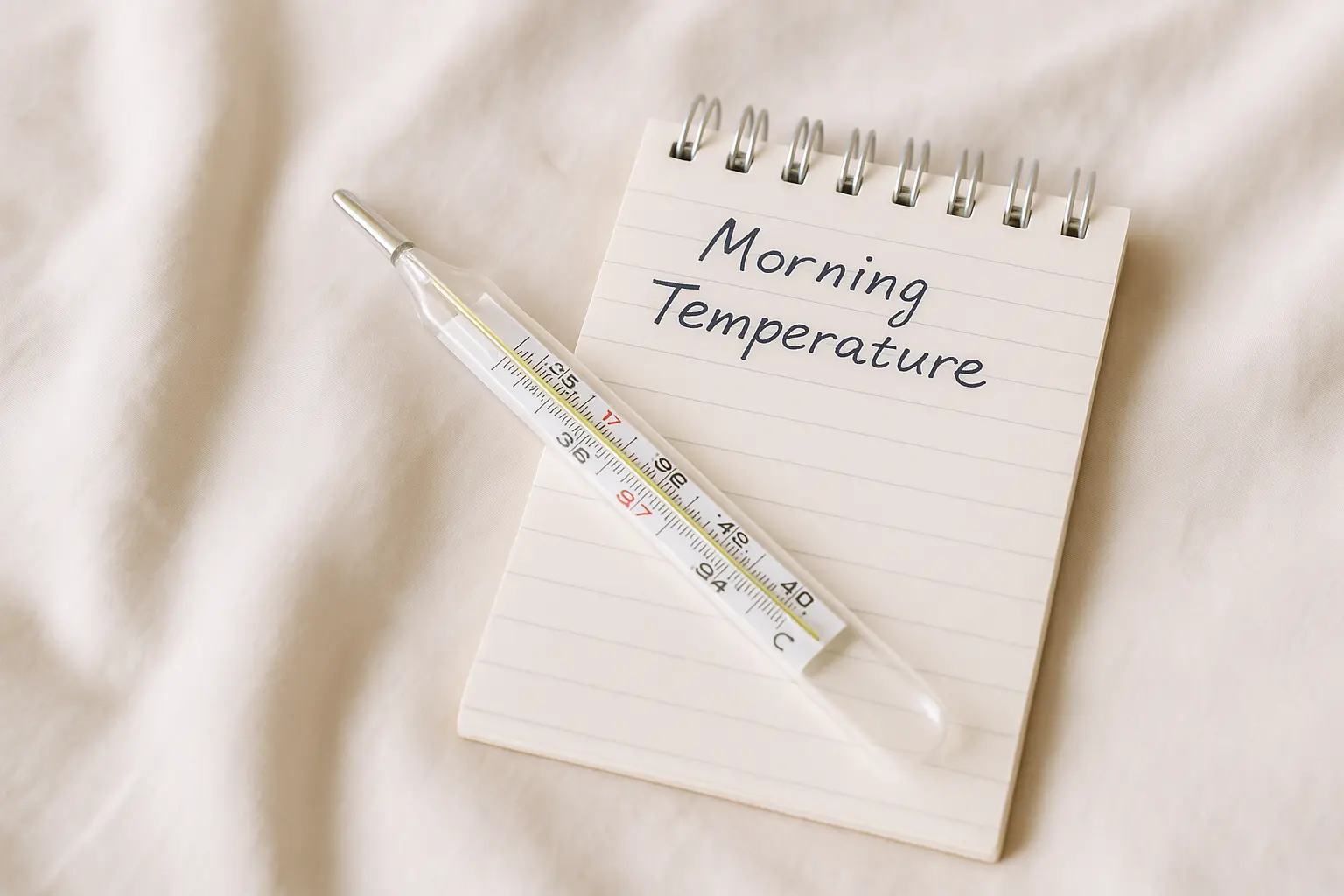
- Place a glass thermometer (not digital) by your bedside before going to sleep.
- Upon waking, before getting out of bed or moving around, place the thermometer under your armpit.
- Keep it in place for 10 minutes.
- Record your temperature.
- Repeat this for at least 3–5 consecutive days to see a consistent pattern.
For menstruating individuals, the best time to perform the test is on days 2–4 of the cycle, when hormones are more stable.
Why It Matters
Your thyroid gland plays a critical role in regulating metabolism, energy, hormone balance, and overall health. When thyroid function is sluggish, symptoms may include:
- Low energy or fatigue
- Weight gain or difficulty losing weight
- Hair thinning or dry skin
- Sensitivity to cold
- Brain fog or poor concentration
Tracking your basal temperature may provide an early clue that your thyroid needs further evaluation.
Limitations of the BBTT
While Dr. Barnes’ Basal Temperature Test can give helpful insights, it is not a stand-alone diagnostic tool. Body temperature can be influenced by many factors—such as illness, stress, poor sleep, or hormonal fluctuations.
If your results are consistently outside the normal range, consult with a healthcare professional. A complete evaluation typically includes:
- Thyroid blood panels (TSH, Free T3, Free T4, Reverse T3)
- Antibody testing for autoimmune thyroid disease
- Nutritional and lifestyle assessments
A Useful Tool to Keep Track of Your Thyroid
The BBTT is a simple, cost-effective way to keep an eye on your thyroid function at home. While it should never replace professional lab testing, it can be a useful tool in identifying patterns that may point toward hypothyroidism or other imbalances.
If you notice consistently low readings, consider discussing your results with a functional medicine practitioner or your family medical doctor to explore further testing and/or natural treatment options.