
What Actually Works in 2026
As norovirus activity continues into 2026, many people are relying on hand sanitizer for protection. Unfortunately, this common habit offers far less protection than most realize.
Despite widespread use during cold and flu season, alcohol-based hand sanitizers do not reliably kill norovirus, one of the most contagious stomach viruses circulating today.
Understanding why — and knowing what actually works — can significantly reduce your risk of infection.
Why Norovirus Is So Hard to Kill
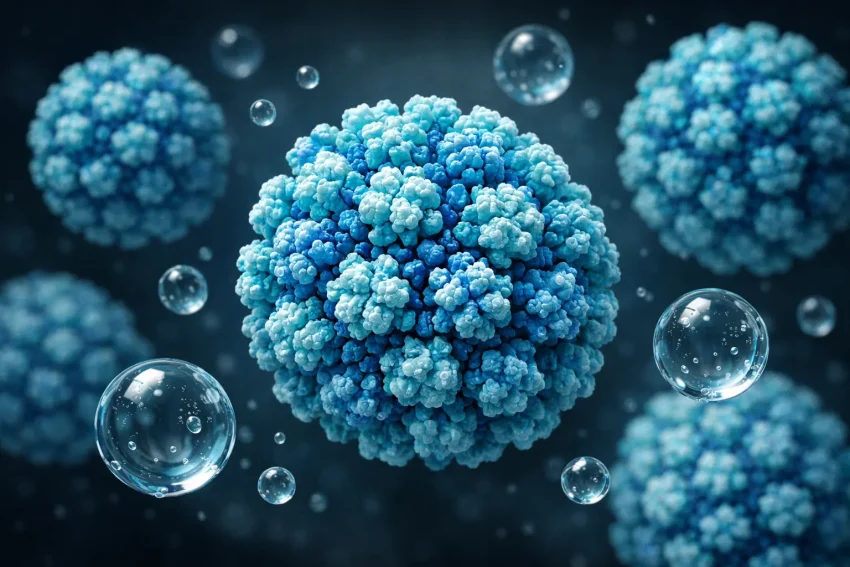
Norovirus has a tough outer protein shell that protects it from many disinfectants. Unlike some viruses, it does not have a lipid envelope that alcohol can easily break down.
This structural difference means that:
• Alcohol may reduce some germs but leaves norovirus intact
• Virus particles can remain on hands even after sanitizer use
• Small amounts transferred to the mouth can still cause infection
Because it takes as few as 1–10 particles to make someone sick, even partial removal is often not enough.
Why Soap and Water Work Better
Soap doesn’t kill norovirus either — but it does something more important.
Soap molecules bind to grease, dirt, and microbes, lifting them off the skin. When hands are rinsed thoroughly, virus particles are physically washed down the drain.
This is why public health experts continue to recommend handwashing with soap and water as the most effective defense against norovirus, especially during outbreaks.
For a broader explanation of how norovirus spreads and why hygiene matters, see our full guide:
Norovirus Is Surging Into 2026: Symptoms, Prevention, and What to Expect
When Hand Sanitizer Still Has a Role
Hand sanitizer is not useless — it’s just insufficient on its own for norovirus.
It may still help:
• When soap and water are unavailable
• To reduce other germs on the hands
• As an additional step after washing
However, sanitizer should never replace proper handwashing when norovirus is circulating.
What Else Helps Prevent Norovirus in 2026
Because norovirus survives on surfaces for extended periods, prevention goes beyond hand hygiene.
Key steps include:
• Washing hands before eating or preparing food
• Disinfecting surfaces with bleach-based cleaners
• Avoiding food preparation while sick
• Isolating for at least 48 hours after symptoms stop
These steps become increasingly important as norovirus activity extends beyond traditional winter months.
The Bottom Line
If norovirus continues circulating into 2026 as expected, soap and water will remain one of the simplest and most powerful tools for prevention.
Hand sanitizer may be convenient, but when it comes to norovirus, convenience alone isn’t enough.
Medical disclaimer
This content is for educational purposes only and does not replace professional medical advice.
{ “@context”: “https://schema.org”, “@graph”: [ { “@type”: “Article”, “@id”: “https://www.justsimplywell.com/hand-sanitizer-norovirus/#article”, “headline”: “Why Hand Sanitizer Doesn’t Kill Norovirus (And What Works in 2026)”, “description”: “Alcohol-based hand sanitizer does not reliably kill norovirus. Learn why soap works better, what disinfectants are effective, and how to protect yourself in 2026.”, “datePublished”: “2025-12-28”, “dateModified”: “2025-12-28”, “inLanguage”: “en-US”, “author”: { “@type”: “Organization”, “name”: “Just Simply Well”, “url”: “https://www.justsimplywell.com/” }, “publisher”: { “@type”: “Organization”, “name”: “Just Simply Well”, “url”: “https://www.justsimplywell.com/” }, “mainEntityOfPage”: { “@type”: “WebPage”, “@id”: “https://www.justsimplywell.com/hand-sanitizer-norovirus/” }, “about”: { “@type”: “MedicalCondition”, “name”: “Norovirus infection (acute gastroenteritis)” } }, { “@type”: “FAQPage”, “@id”: “https://www.justsimplywell.com/hand-sanitizer-norovirus/#faq”, “mainEntity”: [ { “@type”: “Question”, “name”: “Does hand sanitizer kill norovirus?”, “acceptedAnswer”: { “@type”: “Answer”, “text”: “No. Alcohol-based hand sanitizers do not reliably kill norovirus because the virus has a protective outer shell that alcohol cannot easily break down.” } }, { “@type”: “Question”, “name”: “Why does soap work better than hand sanitizer for norovirus?”, “acceptedAnswer”: { “@type”: “Answer”, “text”: “Soap physically lifts norovirus particles off the skin so they can be rinsed away with water, reducing the chance of infection.” } }, { “@type”: “Question”, “name”: “Should I still use hand sanitizer at all?”, “acceptedAnswer”: { “@type”: “Answer”, “text”: “Hand sanitizer can reduce other germs but should not replace handwashing with soap and water when norovirus is circulating.” } }, { “@type”: “Question”, “name”: “What is the best way to prevent norovirus?”, “acceptedAnswer”: { “@type”: “Answer”, “text”: “Frequent handwashing with soap and water, disinfecting surfaces with bleach-based products, and isolating when sick are the most effective prevention steps.” } }, { “@type”: “Question”, “name”: “Will this still matter in 2026?”, “acceptedAnswer”: { “@type”: “Answer”, “text”: “Yes. Norovirus activity is expected to continue into 2026, making proper handwashing more important than relying on sanitizer alone.” } } ] } ] }