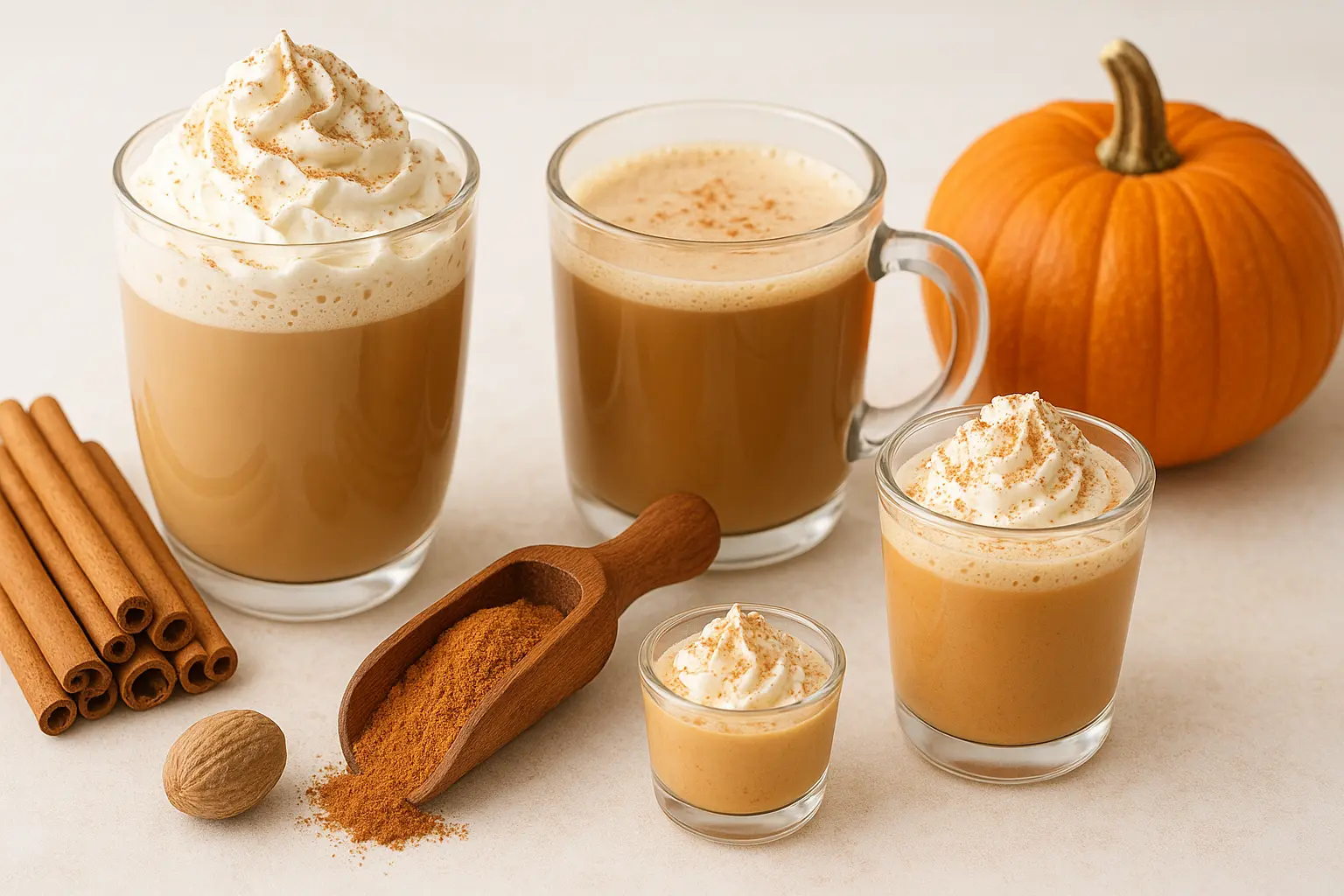

There’s something about the first cool breeze of fall that makes you crave pumpkin spice. Whether it’s in a latte, sprinkled on oatmeal, or baked into your favorite treat, pumpkin spice instantly feels like comfort in a cup. But here’s the best part, it’s not just a seasonal flavor. The spices that make up this blend actually come with real health benefits you can enjoy all year long.
What’s Really in Pumpkin Spice?
Pumpkin spice isn’t just one spice, it’s a mix of cinnamon, nutmeg, ginger, cloves, and allspice. Each of these has been used for centuries, not only for flavor but also for their wellness-supporting properties. When you put them together, they create a powerhouse blend that does more than make your coffee taste amazing.
Cinnamon: The Balancer
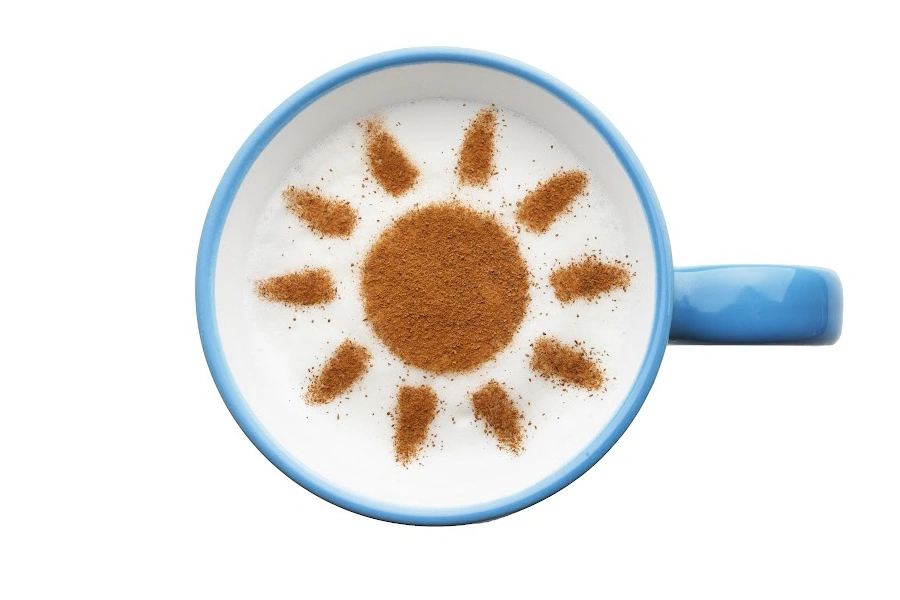
Cinnamon is the heart of pumpkin spice, giving that sweet warmth we instantly recognize. But beyond flavor, cinnamon has long been valued in natural medicine. Studies suggest it can help support healthy blood sugar levels, which makes it particularly helpful for people who want to keep energy crashes at bay.
Cinnamon is also rich in antioxidants, compounds that help the body fight oxidative stress, which is basically the wear and tear from daily life. Plus, cinnamon’s anti-inflammatory properties mean it can gently support heart health and circulation. Adding a little sprinkle of cinnamon into your daily routine isn’t just tasty, it’s like a small, comforting step toward balance.
Nutmeg: The Calmer
Nutmeg brings a subtle sweetness to pumpkin spice, but its benefits go far beyond the kitchen. Traditionally, nutmeg has been used to calm digestive troubles, making it helpful after a heavy meal or when you’re feeling a little bloated. It’s also thought to have natural calming effects, which is why many people enjoy nutmeg before bedtime, it may encourage deeper, more restful sleep.
Nutmeg also contains compounds that support brain health, and there’s growing interest in how it might protect memory and focus. While a little goes a long way in recipes, nutmeg’s calming and digestive-supporting properties make it a spice worth appreciating in every sprinkle.
Ginger: The Soother
Ginger is one of the world’s oldest wellness ingredients, and it shines in the pumpkin spice blend. It’s especially well-known for its ability to ease nausea, whether from motion sickness, pregnancy, or simply a stomach that’s off balance.
Beyond that, ginger is packed with anti-inflammatory compounds that can support joint health and ease muscle soreness after a workout. Its natural warming properties also make it great for circulation and immune support, especially during colder months when you want to keep your defenses strong.
Many people sip ginger tea when they feel a cold coming on, and having it as part of your pumpkin spice blend makes it both soothing and delicious.
Cloves: The Defender
Tiny but powerful, cloves add that rich, almost peppery kick to pumpkin spice. They’re loaded with a compound called eugenol, which is known for its antimicrobial and pain-relieving properties. Historically, cloves were even used in traditional remedies for toothaches and oral health because of their natural ability to fight bacteria. They’re also packed with antioxidants, which help the body neutralize free radicals and protect cells.
Cloves are believed to support digestion as well, helping reduce gas and bloating after meals. When included in pumpkin spice, cloves work like a defender for your wellness, small, strong, and full of benefits.
Allspice: The Warmer
Despite the name, allspice isn’t a mix of spices, it’s its own unique berry that happens to taste like cinnamon, nutmeg, and cloves all rolled into one. It gives pumpkin spice that extra depth and warmth. Traditionally, allspice has been used to support circulation, which can help warm the body from the inside out. It’s also been used to soothe muscle aches and discomfort, making it a helpful spice in natural wellness practices.
On top of that, allspice contains antioxidants and anti-inflammatory compounds, supporting digestion and overall vitality. It may be the least talked-about ingredient in pumpkin spice, but it’s the quiet powerhouse that ties the blend together.
Easy Ways to Add Pumpkin Spice to Your Day
Sure, lattes are the classic, but there are so many other ways to bring pumpkin spice into your routine without all the sugar:
- Sprinkle it into your morning coffee or tea
- Mix it into yogurt, oatmeal, or smoothies
- Add it to roasted veggies or baked sweet potatoes
- Stir it into protein shakes for a fall-inspired boost
Everyone’s Favorite Fall Flavor
Pumpkin spice isn’t just a trendy fall flavor, it’s a simple way to sneak in wellness benefits while enjoying the cozy taste of the season. By choosing lighter, low-sugar options, you can enjoy pumpkin spice in a way that supports both your health and your love of all things fall.