A Simple Way to Drink More Water and Feel Better
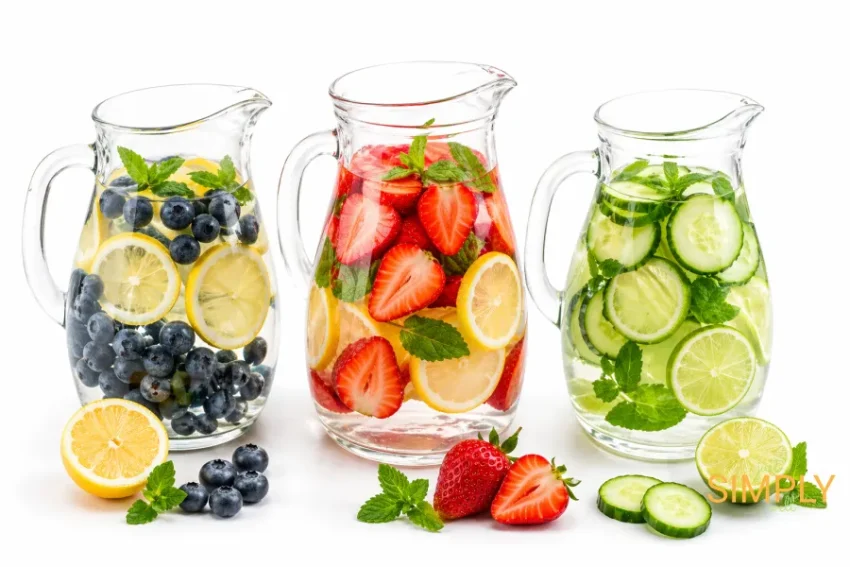
If plain water feels boring, you’re not alone, and that’s exactly where fruit-infused water shines. By adding fresh fruit to water, you create a light, refreshing flavor that makes hydration easier and more enjoyable. It’s one of the simplest upgrades you can make to your daily routine, and it can genuinely help you drink more without relying on sugary beverages.
Whether you’re looking to improve hydration, support digestion, or just enjoy something refreshing, fruit-infused water is an easy win.
What is Fruit-Infused Water?
Fruit-infused water is simply water that has been flavored by soaking fresh fruit in it for several hours. As the fruit sits, it releases subtle flavors into the water without adding significant calories or sugar.
Unlike juice or soda, it provides just a hint of sweetness, making it a healthier alternative while still being enjoyable to drink.
Benefits of Fruit-Infused Water
The biggest benefit isn’t the fruit—it’s that you’ll actually drink more water.
- Hydration – When water tastes better, you naturally drink more of it. That alone can improve energy, focus, and overall health.
- Low-Calorie Flavor – You get a lightly sweet taste without added sugars or excess calories.
- Digestive Support – Better hydration supports digestion and overall gut function.
- Vitamin Boost – Fruits can add small amounts of vitamins like B and C, which support immune health.
- Weight Support – Replacing sugary drinks with infused water can reduce overall calorie intake.
How to Make Fruit-Infused Water
This is about as simple as it gets.
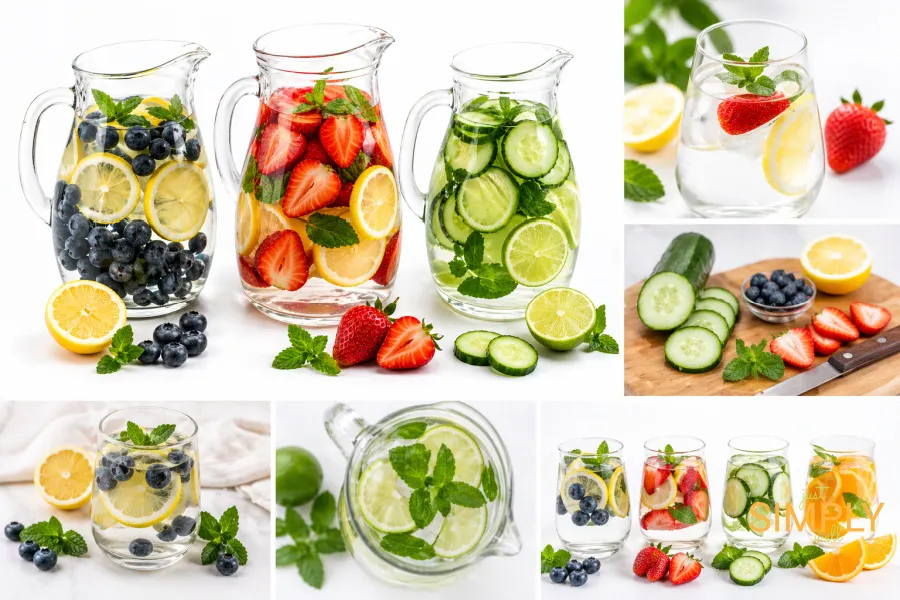
- Start with fresh, clean fruit. Slice larger fruits into pieces and leave smaller fruits like berries whole.
- Add the fruit to a pitcher of water. There’s no exact measurement—adjust based on how strong you want the flavor.
- Refrigerate for at least 4 hours, or overnight for a stronger infusion.
- Remove the fruit after about 12 hours to prevent breakdown and bitterness.
- Keep refrigerated and enjoy within 3–4 days.
Tips for Better Flavor
A few small tweaks can make a big difference.
- Use more fruit if you want a stronger taste
- Lightly mash fruit to speed up infusion
- Add herbs like mint, rosemary, or cinnamon for depth
- Strain the water if pulp forms
- Try frozen fruit—it works just as well
And yes, you can eat the fruit afterward, though the texture will be softer.
Best Fruit Infused Water Combinations
There are no rules here—just combinations that taste good.
Some great starting points:
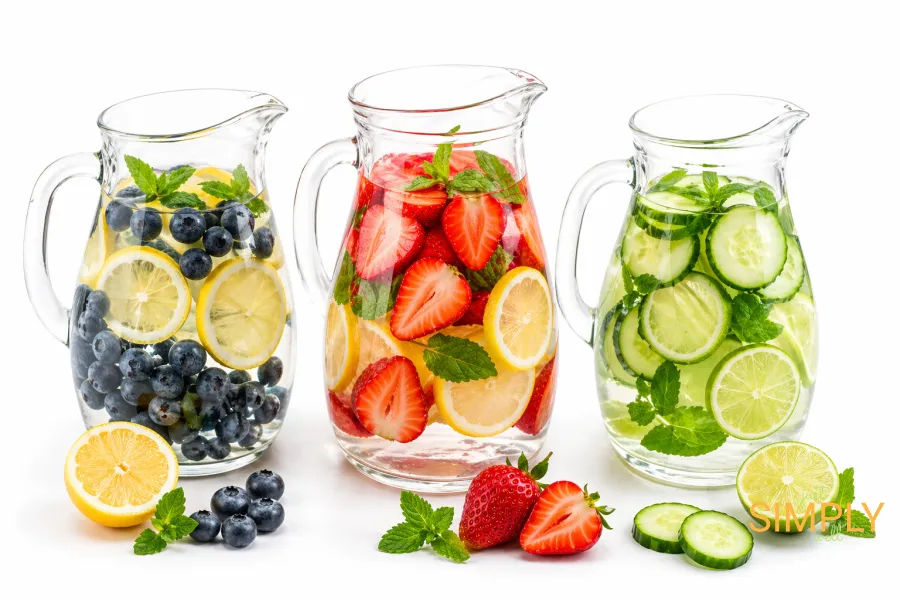
- Blueberry + Lemon
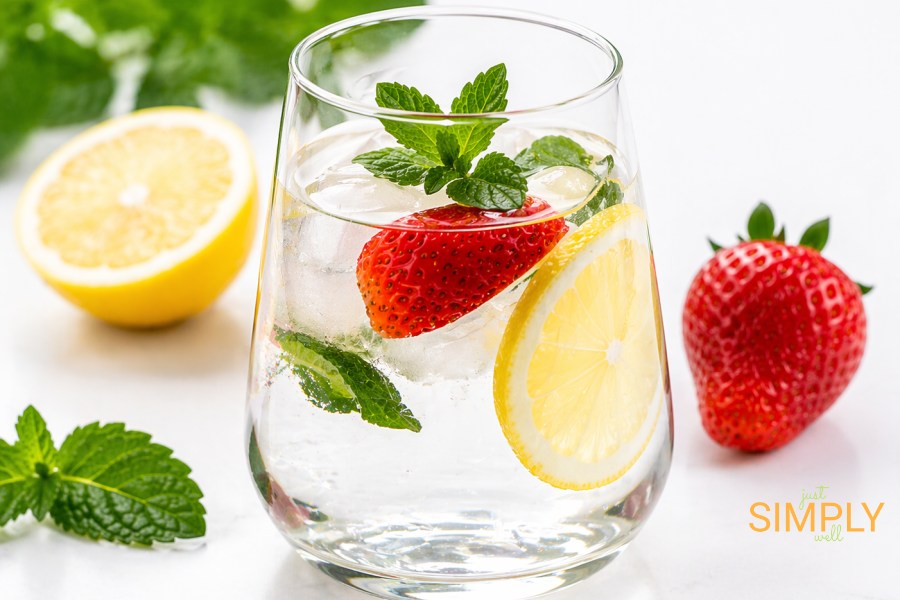
- Strawberry + Lemon + Mint
- Lemon + Orange + Lime
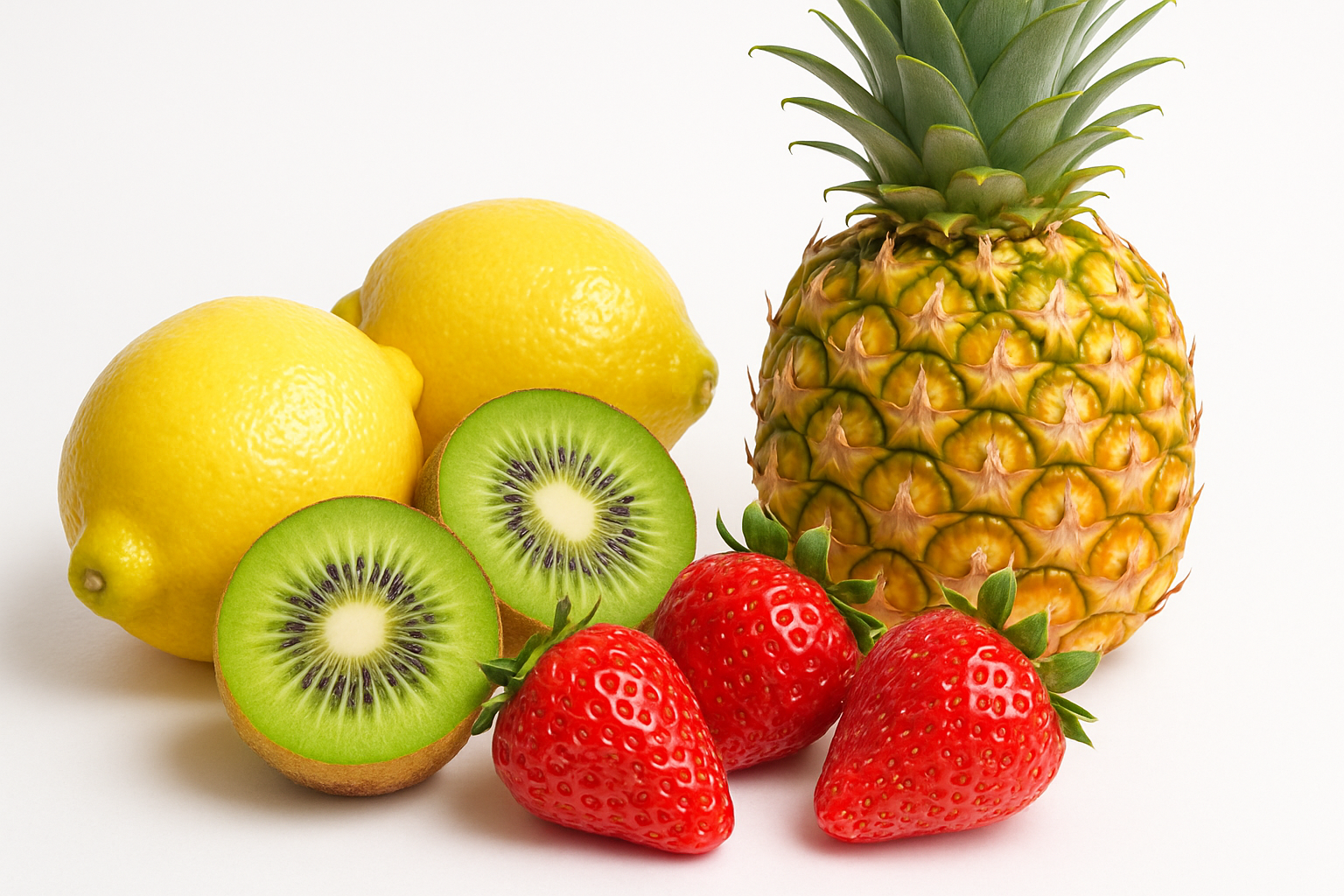
- Pineapple + Strawberry
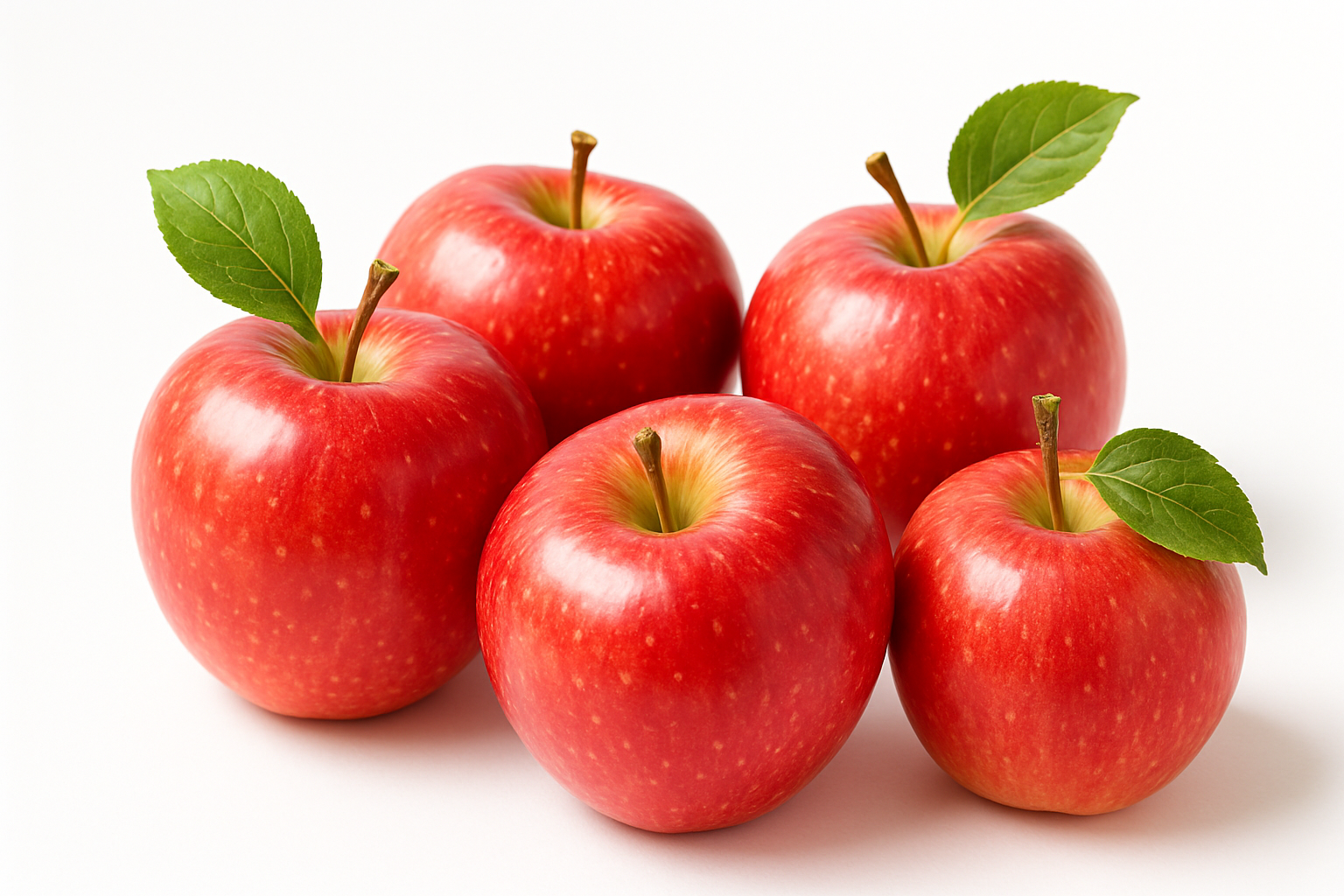
- Apple + Pear + Cinnamon
- Kiwi + Cucumber
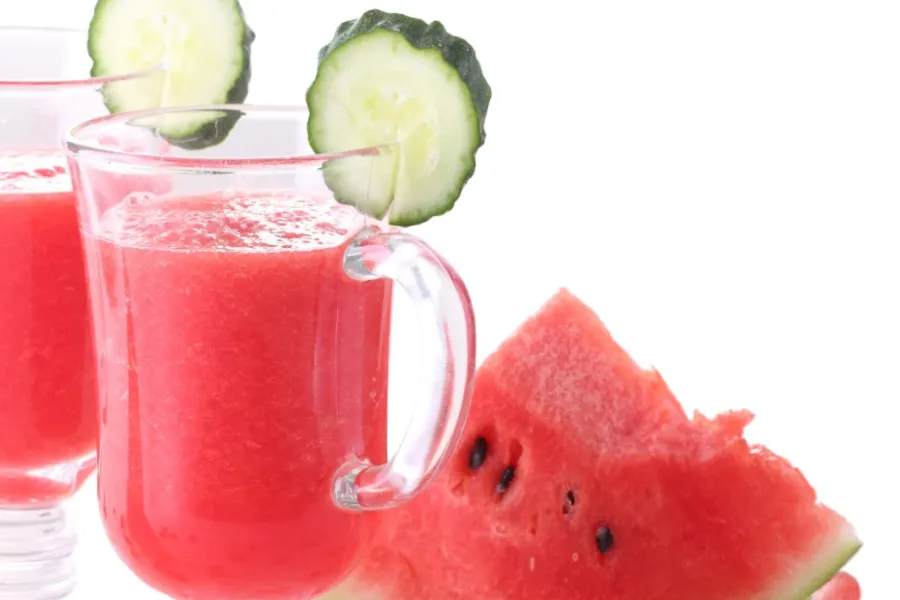
- Strawberry + Watermelon
- Cranberry + Orange
You can also mix in vegetables like cucumber or celery for a cleaner, spa-like flavor.
How Long Should You Infuse It?
Let the fruit sit in water for at least 4 hours for noticeable flavor.
For best results:
- 4–12 hours = ideal flavor
- After 12 hours = remove fruit
- Up to 4 days refrigerated = safe to drink
Citrus peels should be removed earlier if the taste becomes bitter.
Is Fruit-Infused Water Actually Healthy?
Yes, but mostly because it helps you stay hydrated.
The added nutrients from fruit are minimal, but the real benefit is replacing sugary drinks and increasing overall water intake. If this helps you go from barely drinking enough water to consistently staying hydrated, that’s a major win.
FAQ
Does fruit-infused water help with weight loss?
It can indirectly help by replacing high-calorie drinks and supporting hydration, which plays a role in metabolism and appetite control.
Can you use frozen fruit?
Yes. Frozen fruit works just as well and can even help keep your water cold.
Can you eat the fruit afterward?
You can, but it may be softer and less flavorful. It works well in oatmeal, smoothies, or baking.
How long does it last?
Up to 3–4 days in the refrigerator, though it’s best within the first 24–48 hours.
Dr. Don’s “2-cents”
Fruit-infused water isn’t complicated- but it’s powerful. It turns something you should do (drink more water) into something you want to do.
And sometimes, that’s the difference that actually sticks.
Why This Matters for Your Body
From a clinical perspective, hydration plays a key role in joint function, muscle performance, and soft tissue health. Even mild dehydration can affect flexibility, recovery, and overall energy levels. If adding natural flavor makes it easier to stay consistently hydrated, it becomes a simple but powerful tool for long-term wellness.