Vitamin C is essential for a strong immune system, collagen production, healthy skin, and faster wound healing. While oranges often steal the spotlight, there are many other foods that pack an even bigger punch. Here are eight delicious and nutrient-rich sources of vitamin C that go beyond the classic orange.
1. Kiwi
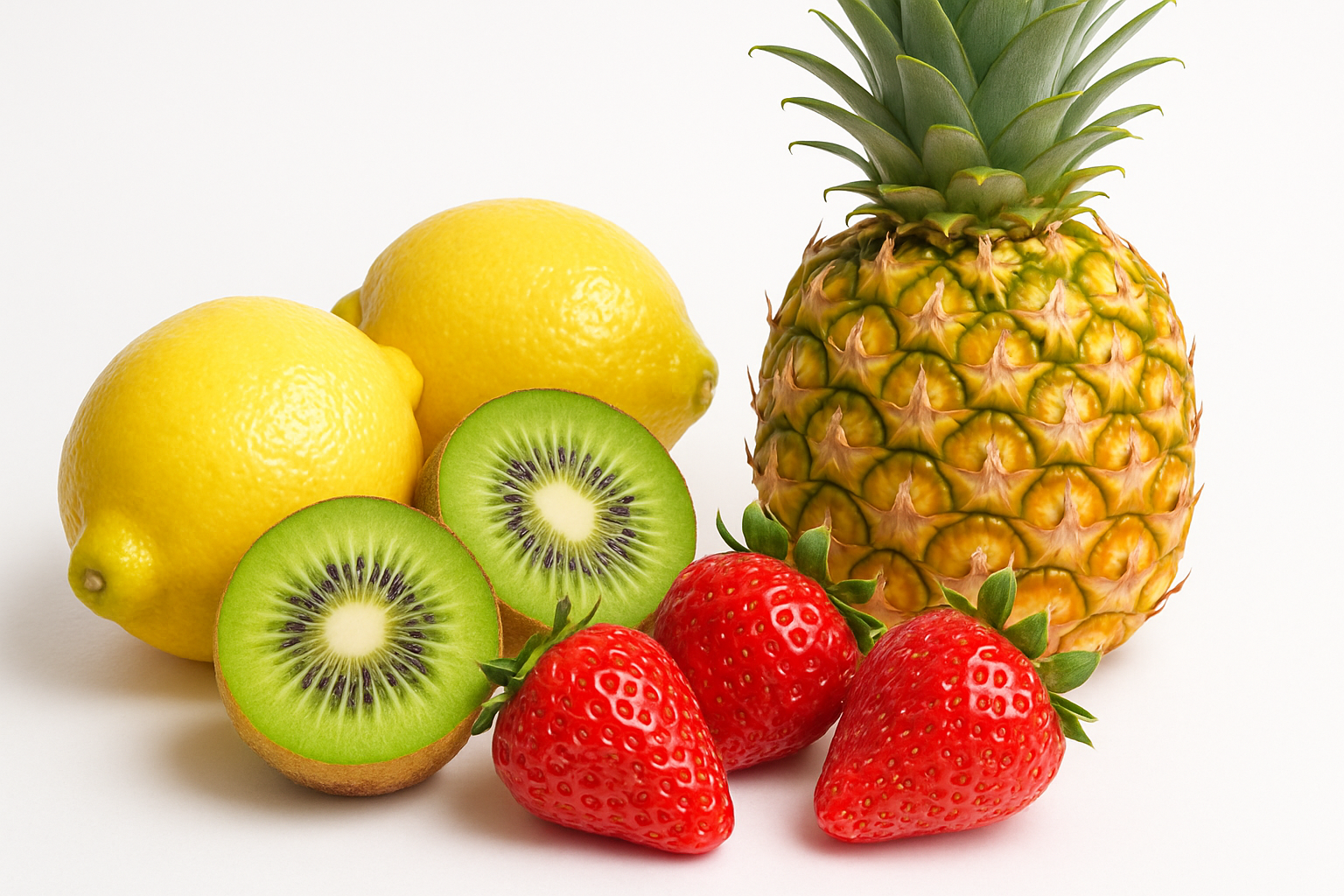
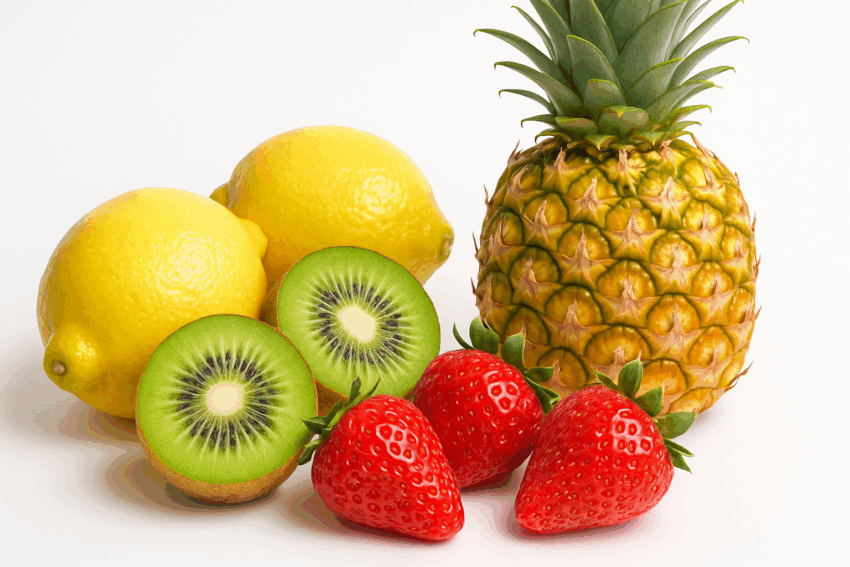
Kiwi contains more vitamin C per ounce than oranges, making it a powerhouse fruit. Just one medium kiwi delivers around 70 mg — almost 80% of your daily value. Beyond vitamin C, kiwis provide fiber for gut health and antioxidants that protect your cells from oxidative stress.
2. Strawberries
One cup of fresh strawberries offers the full daily recommended amount of vitamin C. They’re also rich in polyphenols and manganese, which support heart health and help lower inflammation. Adding strawberries to smoothies, oatmeal, or yogurt gives you a sweet immune-boosting kick.
3. Red Bell Peppers
Red bell peppers contain twice the vitamin C of citrus fruits. Just half a cup provides more than 100% of your daily value. They’re also loaded with beta-carotene, which your body converts into vitamin A — another nutrient crucial for eye and skin health.
4. Pineapple
Pineapple is a tropical fruit that brings more than just vitamin C. It contains bromelain, a digestive enzyme that helps break down protein and may reduce inflammation. Together, bromelain and vitamin C make pineapple excellent for post-workout recovery and immune support.
5. Parsley
Don’t underestimate this garnish! Just two tablespoons of fresh parsley provide more vitamin C than an entire small orange. Parsley also contains vitamin K for bone strength and powerful plant compounds that act as natural antioxidants. Sprinkle it over salads, soups, or roasted vegetables for a nutrient boost.
6. Mango
Mangoes are not only sweet and satisfying, they’re also a dual nutrient powerhouse. Alongside vitamin C, they’re high in beta-carotene — which supports skin health and immune defense. A single cup of mango chunks covers about 70% of your daily vitamin C needs.
7. Lemons
Lemons are a versatile way to add vitamin C to your diet. One lemon provides about 30 mg — roughly a third of your daily needs. Beyond immunity, lemons help support hydration, digestion, and can add a refreshing zest to water, salads, or seafood dishes.
8. Guava
Guava is one of the richest natural sources of vitamin C — a single fruit can provide over 200% of your daily requirement. It’s also high in fiber, folate, and antioxidants that support heart health and help regulate blood sugar. If you can find it fresh, guava is a true superfruit.
FAQ: Vitamin C and Your Health
Q: Should I take vitamin C supplements?
A: Whole foods are the best way to get vitamin C because they also supply fiber, antioxidants, and phytonutrients that supplements lack. However, supplements may help if your intake is low, if you smoke (which increases vitamin C needs), or during times of illness or stress.
Athletes typically need vitamin C due to its ability to help iron absorb.
Always follow recommended daily amounts to avoid stomach upset and talk to your doctor if you have any questions.
Q: How much vitamin C do I need daily?
A: For most adults, the Recommended Dietary Allowance (RDA) is 75 mg for women and 90 mg for men. Needs may be higher for smokers (+35 mg/day). Pregnant and breastfeeding women also require more. Most people can meet these needs through a balanced diet.
Natural health providers will suggest 500 mg every 6 hours during colds to help recover faster.
Q: Can I get too much vitamin C from food?
A: It’s nearly impossible to overdo vitamin C from food alone, since excess is excreted in urine. However, high-dose supplements (over 2,000 mg/day) can cause side effects such as diarrhea, nausea, and kidney stones in susceptible individuals.
Always be careful if your stool becomes loose due to vitamin C intake. Reduce your consumption accordingly
Q: Which cooking methods preserve vitamin C best?
A: Vitamin C is sensitive to heat and water. To preserve the most nutrients:
- Eat foods raw when possible.
- Steam lightly instead of boiling.
- Store produce in a cool, dry place, and avoid overcooking.
Q: Is vitamin C really effective for preventing colds?
A: Research shows vitamin C doesn’t prevent colds in the general population but may reduce the duration and severity when taken consistently. Athletes and people under physical stress may see the greatest benefits.
Q: Do frozen fruits and vegetables have less vitamin C?
A: Frozen produce often retains as much — or even more — vitamin C compared to fresh, since it’s usually frozen shortly after harvest. Over time, fresh produce that sits in storage may lose some of its vitamin C content.
Q: Can vitamin C improve skin health?
A: Yes. Vitamin C supports collagen production, which helps keep skin firm and youthful. It also acts as an antioxidant, protecting skin from UV and pollution damage. That’s why it’s a popular ingredient in both diet and topical skincare products.