
Omega-3 fatty acids are essential fats that play an important role in heart health, brain function, inflammation balance, and athletic recovery. Because the body cannot produce omega-3s on its own, they must come from food.
This guide outlines seven of the best natural food sources of omega-3 fatty acids and explains how to include them in a balanced diet.
Understanding Omega-3s
There are three primary types of omega-3 fatty acids:
• EPA (eicosapentaenoic acid)
• DHA (docosahexaenoic acid)
• ALA (alpha-linolenic acid)
EPA and DHA are primarily found in fatty fish and are the most biologically active forms. ALA is found in plant foods and must be converted by the body into EPA and DHA, though conversion rates are relatively low.
Fatty Fish: The Most Potent Sources
- Salmon
Salmon is one of the richest sources of EPA and DHA. Wild-caught salmon typically contains higher omega-3 levels compared to farmed varieties. It is also a strong source of protein and vitamin D. - Mackerel
Mackerel is a small, oily fish that contains substantial amounts of omega-3s. It is also rich in selenium and B vitamins. - Sardines
Sardines are small fish that are often eaten whole. Because they are lower on the food chain, they tend to accumulate fewer contaminants while still providing high omega-3 content. - Trout
Trout, especially rainbow trout, provides a balanced amount of EPA and DHA along with high-quality protein.
Plant-Based Sources of Omega-3s
- Chia Seeds
Chia seeds are one of the richest plant sources of ALA. They are easy to add to smoothies, yogurt, or oatmeal. - Flaxseeds
Ground flaxseeds provide concentrated ALA and also contain fiber and lignans, which may support overall metabolic health. - Walnuts
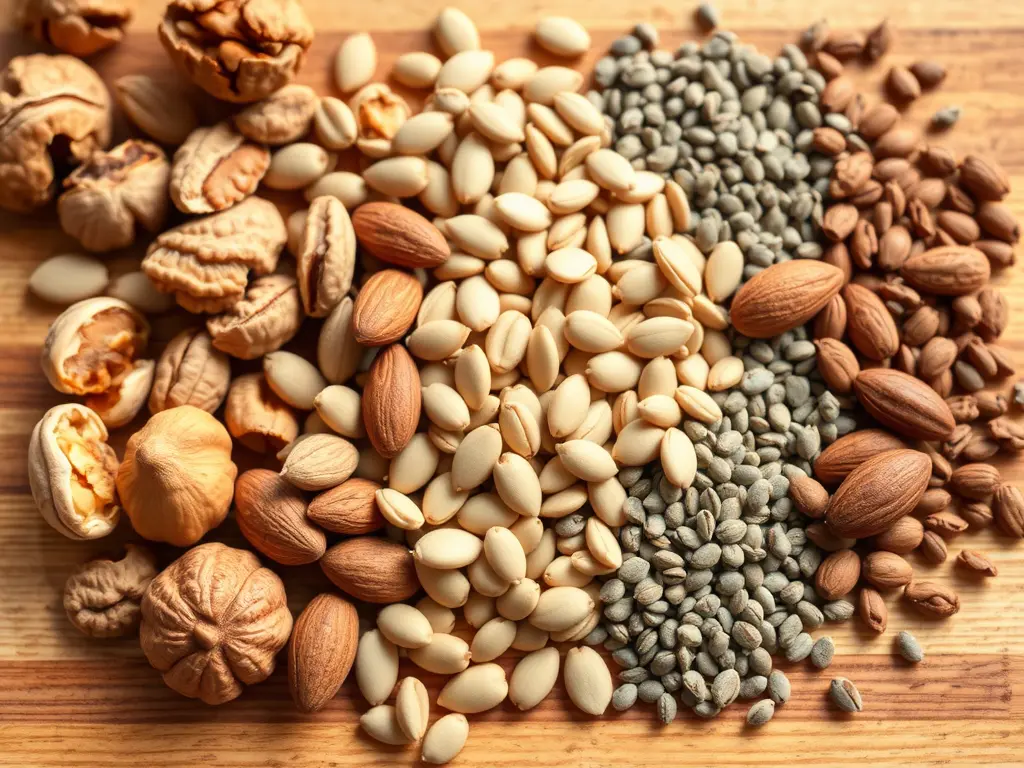
Walnuts are a convenient whole-food source of plant-based omega-3s and can be added to salads or eaten as a snack.
Why Omega-3s Matter
Omega-3 fatty acids are associated with:
• Cardiovascular support
• Brain and cognitive health
• Inflammation balance
• Joint comfort
• Athletic recovery support
For individuals who do not regularly consume fatty fish, intake levels may be lower than recommended.
Not all dietary fats function the same way in the body. While omega-3 fatty acids are valued for their role in cardiovascular support, brain health, and inflammatory balance, other types of fats serve different metabolic purposes. Understanding these distinctions can help you make more informed choices about overall fat intake and how it supports performance and recovery.
For example, certain fats like medium-chain triglycerides (MCTs) are metabolized differently and serve different roles in energy production.
Food First Approach
Whenever possible, prioritize whole food sources of omega-3s. Fatty fish, two to three times per week, can provide meaningful EPA and DHA intake. Plant-based sources can help support overall omega-3 consumption, particularly in vegetarian or plant-forward diets.
When to Consider Additional Guidance
Individuals with cardiovascular concerns, inflammatory conditions, or restricted diets may benefit from reviewing their omega-3 intake with a qualified healthcare professional. Dietary strategies should be tailored to individual health needs.
Omega-3 fatty acids are essential nutrients that support multiple systems in the body. Including fatty fish, seeds, and nuts in your diet can help maintain adequate intake and support overall wellness.
Frequently Asked Questions About Omega-3 Foods
What foods are highest in omega-3 fatty acids?
Fatty fish such as salmon, mackerel, sardines, and trout are the richest sources of omega-3 fatty acids, specifically EPA and DHA. Among plant foods, chia seeds, flaxseeds, and walnuts provide alpha-linolenic acid (ALA), a plant-based omega-3.
How much omega-3 should I get from food each week?
Many health organizations suggest eating fatty fish at least two times per week to support adequate EPA and DHA intake. Individual needs may vary based on health status and dietary patterns.
Are plant-based omega-3s as effective as fish-based omega-3s?
Plant-based omega-3s contain ALA, which must be converted into EPA and DHA in the body. However, conversion rates are relatively low. Direct sources of EPA and DHA from fatty fish tend to be more biologically active.
Can I get enough omega-3 from food alone?
Yes, many people can meet their needs through regular intake of fatty fish and plant sources. Those who avoid fish or have higher cardiovascular or inflammatory concerns may wish to review intake levels with a healthcare professional.
Are omega-3s good for inflammation?
Omega-3 fatty acids are associated with supporting a healthy inflammatory balance in the body. They may play a role in joint comfort, cardiovascular health, and recovery from physical activity.